
Do I need to test my rental for meth under the new rules?
In most cases, no, you do not need to routinely test your rental property for meth under the updated New Zealand guidelines. Testing is only recommended when there is a clear reason to suspect contamination, particularly linked to meth manufacturing rather than casual use.
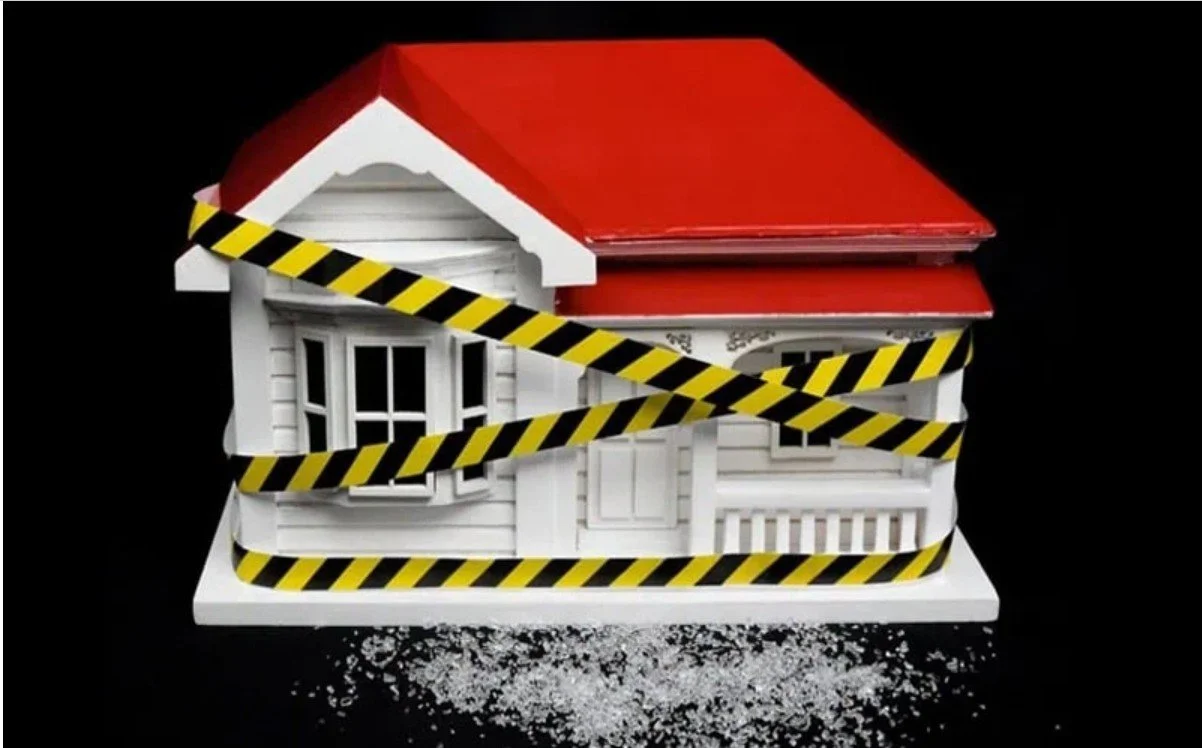
Recent updates from Tenancy Services have shifted the focus to a more practical, risk-based approach, reducing unnecessary testing, cost, and stress for landlords.
What’s changed under the new rules?
The biggest shift is how contamination is assessed. Previously, even trace levels of meth could trigger costly testing and remediation. Under the updated guidelines now in effect:
Low-level contamination from meth use is considered low risk
The focus is now on meth manufacturing, where contamination levels are significantly higher
Routine or “just in case” testing is no longer recommended
This change reflects a more evidence-based approach, and removes a lot of the uncertainty landlords have dealt with in the past.
When should you test a rental property?
Testing is only recommended when there’s reasonable cause for concern.
This could include:
Suspicious activity at the property
Police involvement or reports
Physical signs of contamination or damage
Strong evidence suggesting manufacturing has taken place
If none of these are present, testing is generally unnecessary.
What are your responsibilities as a landlord?
Your obligation hasn’t changed, you still need to provide a safe and habitable property. What has changed is how that risk is assessed.
If a property is confirmed to have been used for meth manufacturing, you must:
Ensure the property is not occupied if unsafe
Arrange proper decontamination
Confirm it is safe before tenants move in
For low-level contamination, a proportionate approach is expected.
Where landlords can still get caught out
Even with clearer rules, we still see landlords:
Following outdated advice
Testing without a valid reason
Overreacting to trace-level results
Spending money where it’s not needed
These mistakes can quickly add up, both financially and in lost time.
A practical, low-risk approach
At Birds Nest, we manage this with a process aligned to current guidelines.
That means:
Only recommending testing when there’s a clear trigger
Working with trusted professionals when required
Keeping you informed so decisions are straightforward
Avoiding unnecessary cost while still protecting your property
Key points
You don’t need to routinely test your rental for meth under the new rules
Low-level contamination from use is generally low risk
The real concern is meth manufacturing, which requires action
Testing should only happen when there is a clear reason
Acting on outdated advice can lead to unnecessary cost
A practical approach keeps your property safe and compliant without overreacting
Not sure whether your property needs testing?
Get in touch, we’ll give you a clear answer and handle it properly from there.
Frequently asked questions about meth contamination in rentals
-
Tenants can raise concerns, but they can’t require testing without reasonable cause. As a landlord, you only need to act if there is credible evidence or risk, not just a request on its own.
-
It depends on the situation. If contamination is linked to tenant behaviour (eg manufacturing), tenants may be held responsible.
If the cause is unknown, costs typically sit with the property owner
-
It depends on the level.
Low-level contamination (from use): Usually does not require major remediation
High-level contamination (manufacturing): The property must be decontaminated before it can be safely lived in
-
No. Under the current guidelines from Tenancy Services, routine testing between tenancies is not recommended unless there is a specific reason to do so.
