Are Your Rental Property Smoke Alarms Still Compliant?
Smoke alarm requirements for New Zealand rental properties have become increasingly specific - and getting them wrong can expose landlords to significant liability. Whether you have held a rental for two years or twenty, this is one compliance area worth revisiting.
What you need to know
Smoke alarm compliance in NZ rentals is tightening. Working alarms are legally required at the start of every tenancy - making the changeover between tenants the most important time to check. Your Property Manager will review compliance between tenancies and advise on next steps.
What does the law actually require for smoke alarms in rental properties?
Under the Residential Tenancies Act 1986, landlords must ensure smoke alarms are installed and working at the start of every tenancy. The regulations, updated in 2016 under the Residential Tenancies (Smoke Alarms and Insulation) Regulations, specify that alarms must be in working order, installed on each level of the property, and positioned within 3 metres of each bedroom door. Tenancy Services provides a clear summary of these obligations here.
When is the most critical time to check smoke alarm compliance?
Between tenancies is the single most important window to verify smoke alarms - because it is the point at which alarms may have been removed, damaged, disabled, or simply reached the end of their service life without anyone noticing. Once a new tenancy begins, the landlord's obligation to have working alarms is locked in. Discovering a non-compliant alarm after a tenant has moved in is a far more complicated situation to manage.
Do I need interconnected smoke alarms in my rental?
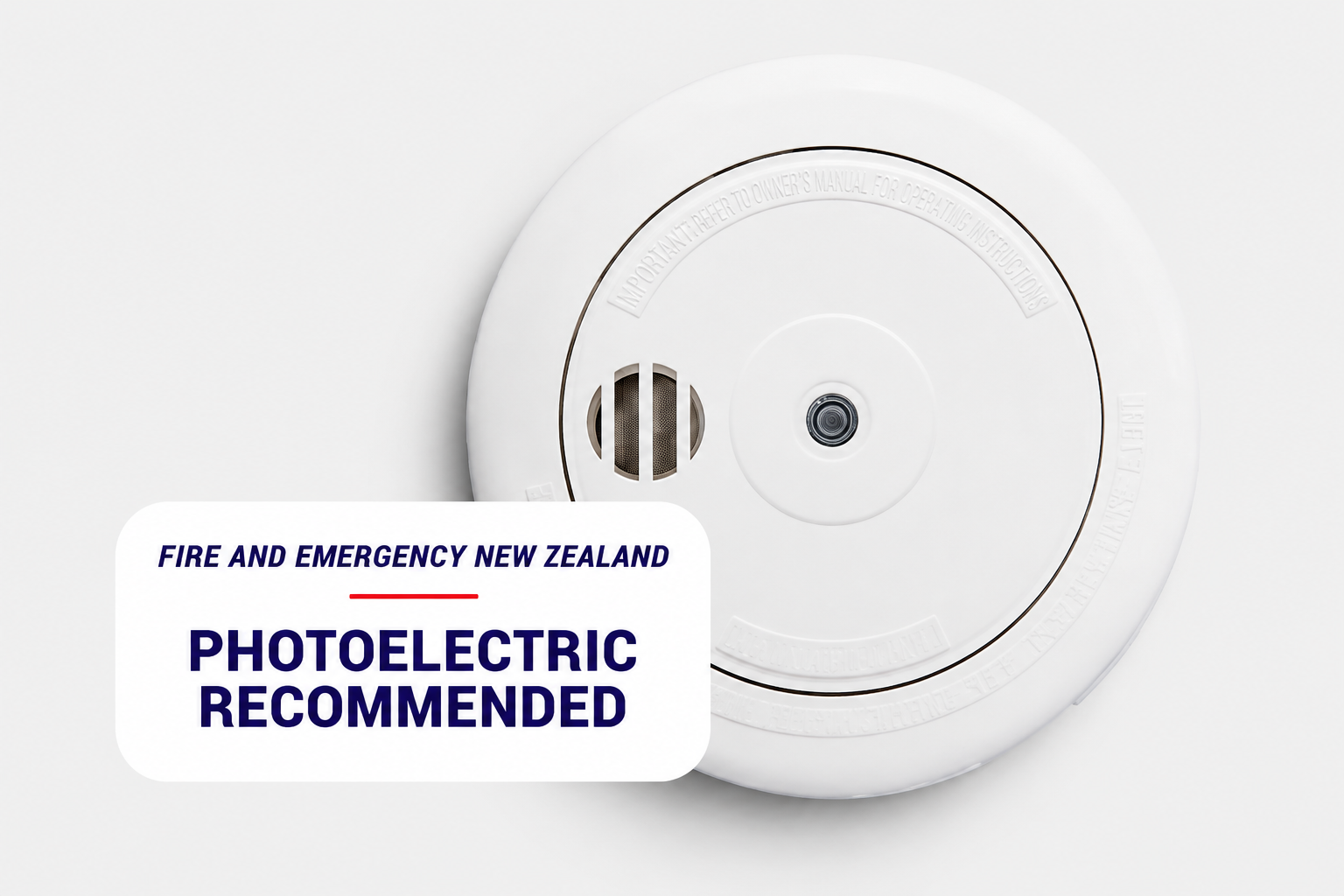
Interconnected alarm systems - where all alarms sound simultaneously when one is triggered - are required in new builds and major renovations under the New Zealand Building Code (legislation here if you wanted to know more around the legalities). For most existing rental properties, this requirement does not currently apply. However, Fire and Emergency New Zealand notes that interconnected systems significantly improve escape time in a fire, and the industry is clearly moving in this direction. Ionisation alarms are also no longer recommended - modern photoelectric alarms detect slow, smoldering fires more effectively and are now the industry standard.
What is the best way to manage smoke alarm compliance as a landlord?
The right approach depends on how many properties you own, how hands-on you want to be, and whether you have records from a recent Healthy Homes Assessment. At Birds Nest we are recommending the use of a specialist provider, such as All Clear, who have the following options. There are also other providers available should owners wish to explore alternative services.
Annual subscription with a specialist provider - typically around $86/year regardless of alarm count. Testing and compliance records are handled for you.
Per-tenancy professional testing - a specialist attends at the start of each new tenancy. Approximately $69 per visit plus $39 per alarm.
Owner-managed - you test and maintain alarms yourself and keep your own records. You remain fully responsible for compliance.
Record-keeping matters regardless of which path you choose. If a Healthy Homes Assessment was completed before the current tenancy, smoke alarms would have been recorded at that point - which may mean no immediate action is required during the current tenancy.
What Bird's Nest is doing about this
At Bird's Nest Property Management, smoke alarms are reviewed routinely between tenancies - the point at which compliance can be most effectively assessed. We recommend specialist providers such as All Clear for landlords who want professional testing and record-keeping handled on their behalf.
If a Healthy Homes Assessment was completed at the start of your current tenancy, your alarms were already recorded at that time. Your Property Manager will discuss the right approach for your property when it becomes relevant.
Questions in the meantime? Contact your Property Manager directly.
